

WASHINGTON — President Donald Trump’s handling of the United States economy has encountered a severe political roadblock, with a new national survey revealing that Trump economic approval ratings are experiencing a sharp and unprecedented decline, as roughly seven. According to a comprehensive poll released by the Associated Press and NORC Center for Public Affairs Research, Trump economic approval ratings have slumped drastically, as roughly seven in ten Americans express profound dissatisfaction with the administration’s management of living costs and inflation.
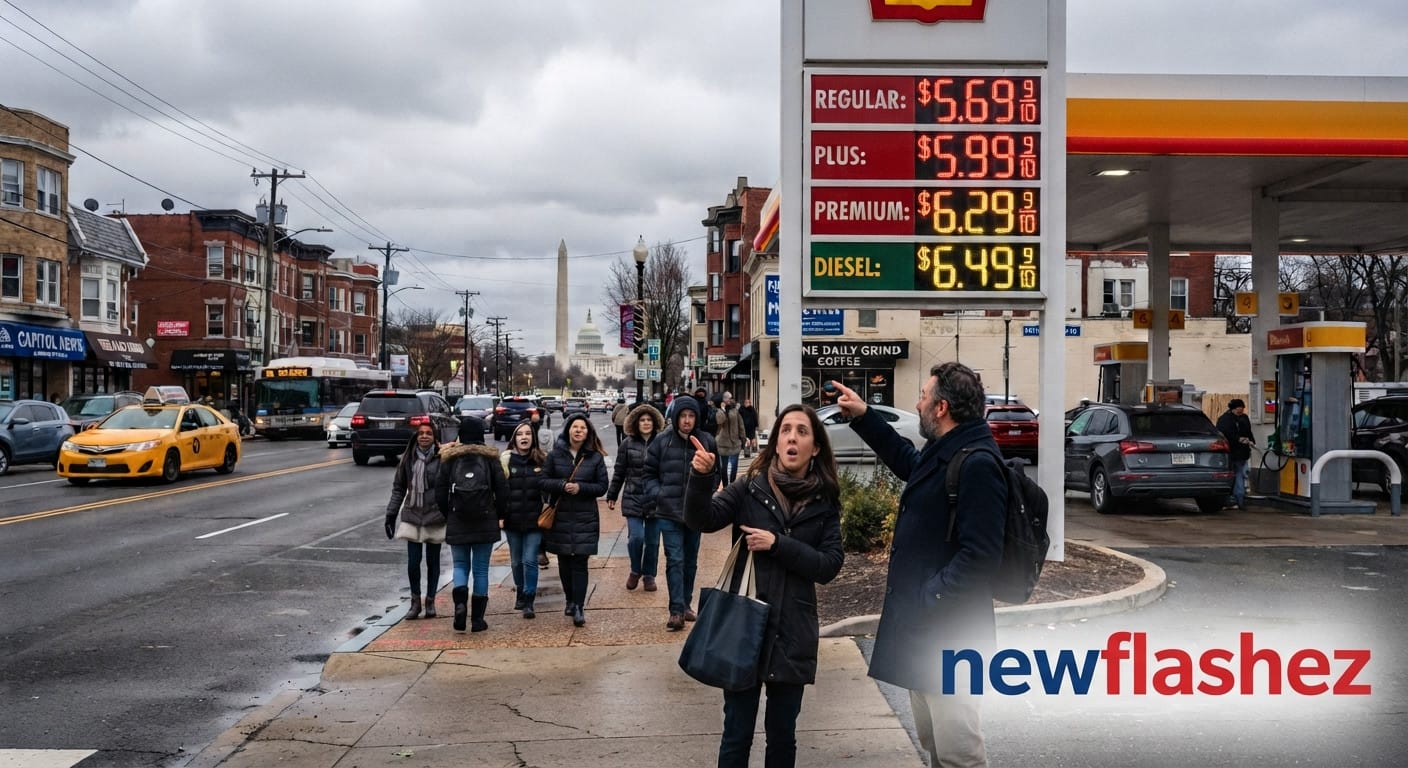
The survey underscores a widening chasm between the White House’s messaging and the harsh financial realities faced by working-class families across the nation. Persistent surges in staple commodities—most notably retail fuel, diesel, and everyday grocery prices—have severely squeezed household budgets. While the administration has frequently spotlighted structural deregulation and foreign policy alignments, a broad coalition of voters indicates that bread-and-butter economic pressures remain the preeminent crisis of 2026. Furthermore, labor market data indicates that wage growth has failed to keep pace with the compounding cost of living, amplifying public frustration.
Escalating Inflation and Market Pressures
The current economic strain departs sharply from past cycles, creating immediate vulnerabilities across domestic markets. Financial analysts note that persistent inflation has forced consumers to scale back discretionary spending, mirroring broader market corrections observed in US Stocks Surge: Wall Street Rallies as Brent Crude Drops where macroeconomic volatility continues to dictate investor sentiment. Public discontent is no longer confined to traditional opposition lines; nearly 60% of independent voters and a notable share of registered Republicans now voice direct frustration over the administration’s inability to cool consumer prices.
Independent reporting by the Associated Press highlights that voters across crucial swing districts hold the White House directly accountable for the escalating cost of energy and basic provisions. This widespread disillusionment threatens to upend traditional voting alignments just months before the legislative showdowns, forcing congressional candidates to distance themselves from executive economic messaging where macroeconomic volatility continues to dictate investor sentiment, which has directly led to a decline in Trump economic approval among independent voters and broad segments of the party base.

The So What? – Political Fallout and the 2026 Midterms
The erosion of Trump economic approval carries profound structural implications for the upcoming midterm elections. Historically, midterm cycles serve as a referendum on the sitting executive, and economic anxiety consistently punishes the ruling party. If these polling trends persist, the Republican Party faces a formidable uphill battle to maintain its legislative majorities in Congress.
The political cost is amplified by the fact that economic revitalization was the foundational pillar of the administration’s platform. When voters perceive that basic household survival is being sidelined by secondary policy debates or foreign disputes, the electoral penalty is swift. Lawmakers on Capitol Hill are already registering alarm, recognizing that constituent anger over inflation could flip critical congressional seats and paralyze the executive branch’s legislative agenda for the remainder of the term.
In response to these tightening electoral margins, political strategists note that administration officials are frantically attempting to pivot back toward domestic economic relief packages. However, formulating legislative fixes that can clear a polarized Congress within a compressed timeline remains an uphill battle, compounding the vulnerability of the administration’s broader policy narrative.
Frequently Asked Questions
What factors drive the severe drop in Trump economic approval?
The primary driver is the sharp, sustained inflation affecting everyday essentials, particularly grocery prices, diesel, and retail fuel, which has severely eroded consumer purchasing power and outpaced wage growth.
How do these polling metrics impact the 2026 midterm elections?
Plummeting economic confidence among independent voters and a segment of the Republican base increases the likelihood of significant legislative losses for the ruling party in Congress.
What do financial experts recommend to alleviate these pressures?
Market analysts emphasize that a combination of disciplined fiscal restraint, targeted supply-chain stabilization, and coordinated monetary policy with the Federal Reserve is essential to restore consumer confidence.
For comprehensive coverage of ongoing legislative developments and governmental decisions, explore our complete Politics Section.
