

WASHINGTON — In a decisive foreign policy maneuver, President Donald Trump has officially rejected a diplomatic overture presented by Iran regarding the critical Strait of Hormuz. According to exclusive reports from The Wall Street Journal and senior administration officials, Tehran attempted to broker a deal through Qatari intermediaries at the United Nations, proposing to reopen maritime transit and end ongoing military operations within seven days.
The Iranian initiative, delivered by senior diplomats during UN General Assembly discussions, outlined a phased framework. Tehran sought the immediate lifting of the U.S. naval blockade, the waiver of crippling economic sanctions on Iranian petroleum exports, and a mutual cessation of regional hostilities in exchange for unhindered passage through the Strait of Hormuz. However, the White House summarily dismissed the terms, signaling that Washington remains firmly committed to maximum economic pressure, strict financial isolation, and regional deterrence.
Strategic Calculus Behind the Rejection
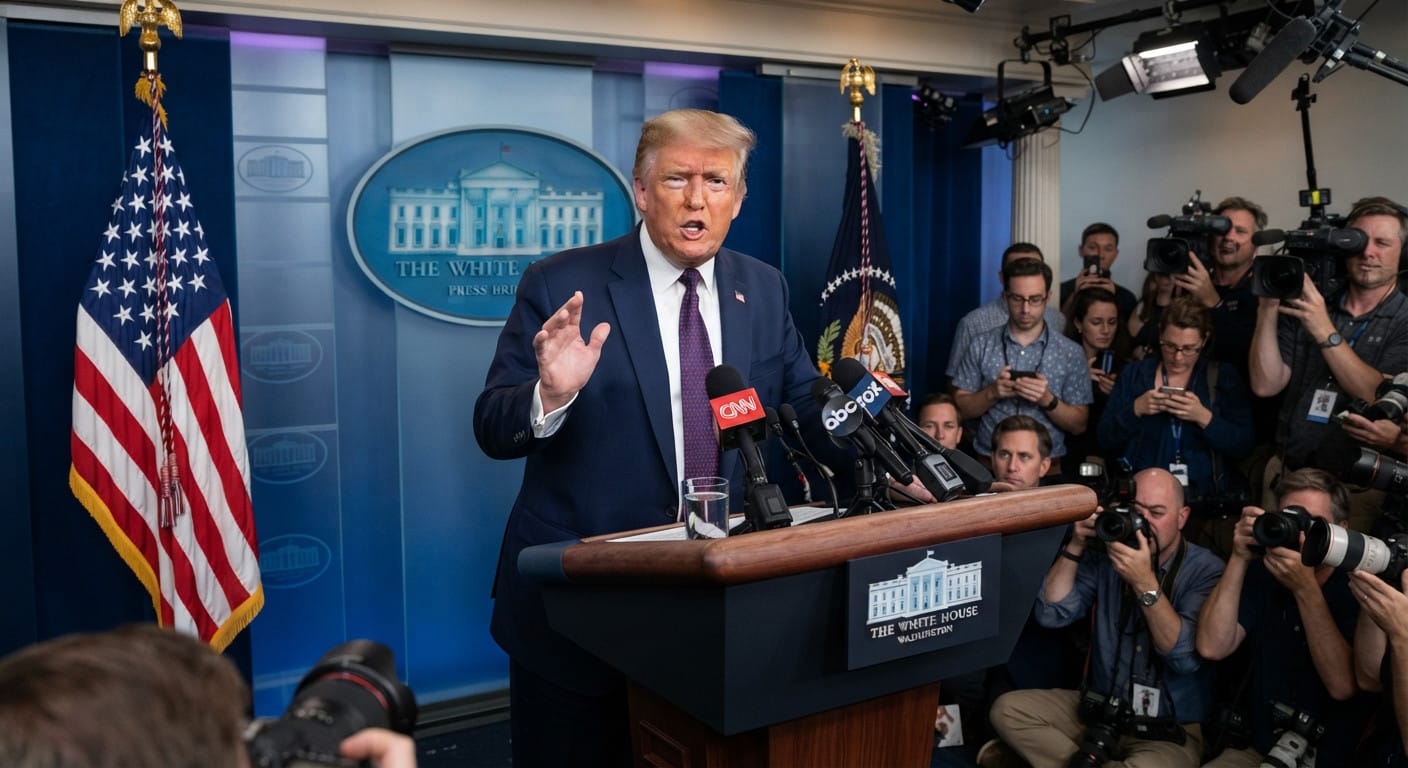
Speaking from the White House briefing room, President Trump asserted that the United States maintains the upper hand in the ongoing geopolitical standoff. Commercial cargo and energy shipments continue to navigate the contested waters of the Strait of Hormuz under robust U.S. naval protection, successfully mitigating immediate global energy shocks and supply chain disruptions.

Defense analysts note that the administration’s current posture reflects absolute confidence in American military deterrence. By keeping maritime routes secure through coalition patrols and naval escorts, Washington has neutralized Tehran’s leverage, rendering 7-day diplomatic ultimatums ineffective. Senior Pentagon officials confirmed that naval task forces stationed in the region are fully equipped to sustain operations indefinitely without making strategic concessions to adversarial regimes.
Economic Sanctions as the Primary Instrument
Rather than pursuing hasty diplomatic compromises that could legitimize Iranian aggression, the Trump administration is doubling down on financial warfare. Treasury Department officials emphasized that existing sanctions have severely restricted Iran’s state revenues, depriving Tehran of the liquidity needed to fund regional proxy networks.
- Maximum Pressure Strategy: U.S. officials maintain that economic strangulation remains the most effective tool to compel long-term behavioral changes in Tehran.
- Global Energy Stability: International crude markets have absorbed regional friction, supported by strategic petroleum reserves and allied production increases.
- Diplomatic Skepticism: Washington remains deeply skeptical of Iranian compliance, pointing to a persistent history of broken commitments regarding nuclear and regional security accords.
The Road Ahead for Middle East Policy
While regional intermediaries, including Qatari and Omani diplomats, continue behind-the-scenes consultations to prevent further military escalation, U.S. policy remains firmly anchored in deterrence and containment. White House advisors indicate that any comprehensive renegotiation concerning the Strait of Hormuz and broader bilateral relations will remain deferred until after the upcoming November midterm elections.
For American policymakers and military strategists, maintaining financial dominance and naval supremacy in the Strait of Hormuz serves as the indispensable cornerstone of Middle East stability. As Washington holds the line against Iranian pressure, the administration has made it abundantly clear that financial sanctions will only tighten until Tehran agrees to unconditional negotiations on American and allied terms.
Market experts and energy analysts continue to monitor developments closely as geopolitical friction persists across the region. Any prolonged blockage or heightened military posture surrounding the Strait of Hormuz directly threatens international shipping lanes, prompting allied nations to reinforce defensive deployments. While Washington insists that maximum economic pressure remains the most effective deterrent against adversarial actions, commercial freight carriers and maritime insurance agencies are already factoring in elevated risk premiums. Consequently, the ongoing diplomatic impasse highlights the fragility of regional trade routes and underscores the vital need for persistent American naval oversight.
For continuous coverage of diplomatic developments, defense strategies, and global security updates, visit our Politics Category.
