

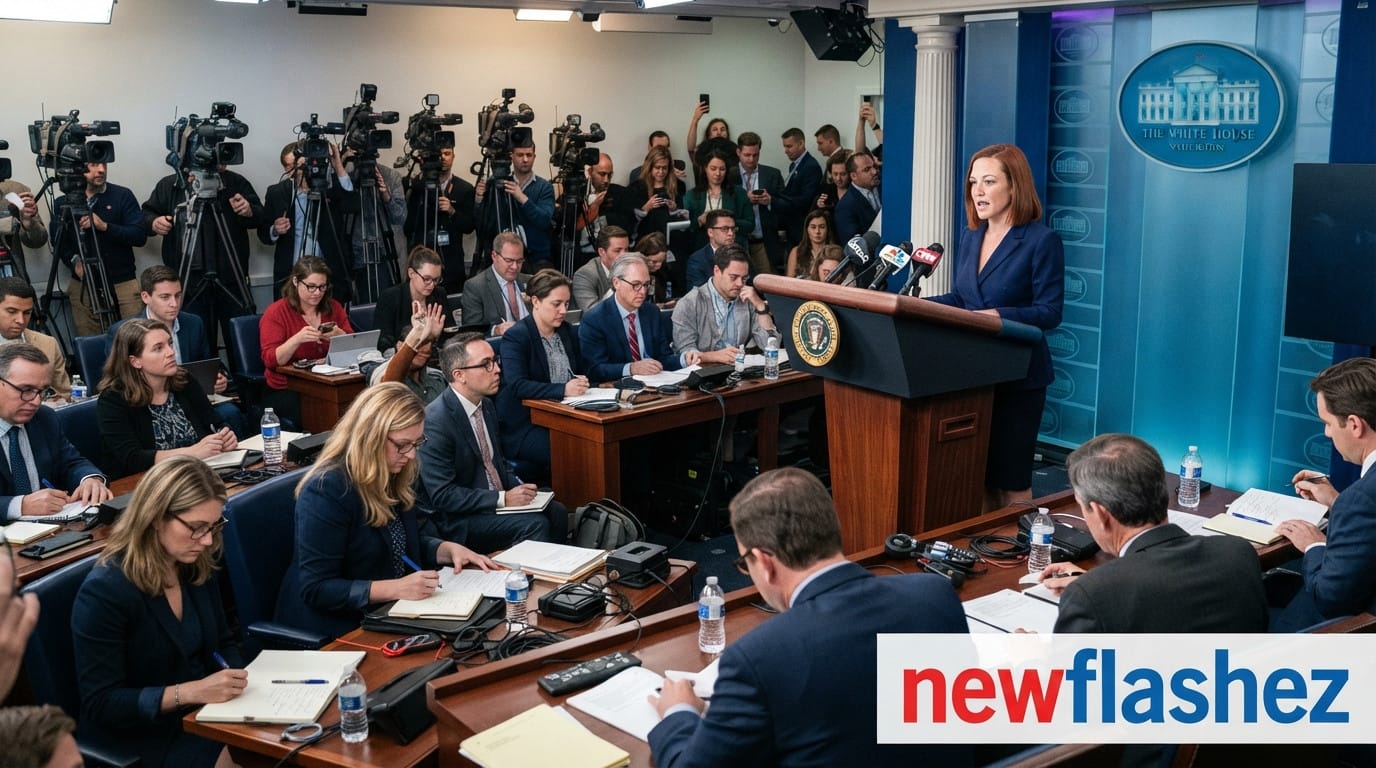
WASHINGTON — In an escalating confrontation between the executive branch and major media outlets, the administration enforced a strict CNN press ban on Friday, barring the network’s reporters from accompanying the president aboard Air Force One. This decisive action comes despite prior federal court orders mandating open and equitable access for accredited journalistic organizations. According to comprehensive reports from Reuters, the Associated Press, and official White House pool statements, the move marks a significant escalation in ongoing tensions between the administration and the national press corps, raising urgent constitutional questions regarding freedom of the press, executive authority, and democratic accountability.
The implementation of the CNN press ban immediately drew sharp criticism from media advocacy groups, press freedom watchdogs, and legal experts who argue that executive restrictions on specific news organizations undermine the foundational principles of the First Amendment. White House press officials defended the decision during Friday’s briefing, citing administrative discretion over travel logistics and media pool protocols. However, prominent legal scholars point out that defying established judicial guidelines regarding fair press access creates a dangerous precedent for government transparency, potentially inviting further constitutional challenges in federal court.
The Legal Fallout of the CNN Press Ban
The origins of this high-stakes dispute trace back to previous legal battles where federal courts ruled that the executive branch cannot arbitrarily exclude mainstream journalists from official public events or travel pools based on editorial viewpoints. The new CNN press ban, however, tests the practical boundaries of judicial enforcement against executive privilege. Industry analysts note that while presidents historically maintain broad operational control over who boards Air Force One, exercising this power specifically to penalize a major news network crosses into unconstitutional viewpoint discrimination, according to leading constitutional law specialists.
Inside the Decision Behind the CNN Press Ban
According to internal briefings obtained by the Associated Press, senior administration aides spearheaded the sudden policy shift following months of friction over coverage of contentious foreign policy decisions and domestic economic initiatives. The rationale presented internally centered on reshaping the White House communications strategy to bypass traditional journalistic filters. Yet, the execution of the CNN press ban has galvanized the entire Washington press corps, with representatives from competing networks expressing unanimous solidarity and warning that such punitive measures threaten the collective ability of journalists to hold executive power accountable.
Journalistic associations and civil liberties organizations, and the Reporters Committee for Freedom of the Pressave mobilized quickly, drafting formal legal petitions and consulting with appellate attorneys to determine the most effective judicial response. This conflict highlights a deepening chasm in modern American politics, where the traditional relationship between the executive mansion and the fourth estate has transformed from an adversarial yet functional partnership into open institutional warfare. As public interest mounts, voters, political analysts, and media historians are closely scrutinizing how this ongoing power struggle will permanently reshape the legal standards governing federal reporting.
Furthermore, international observers have expressed concern over the signal this incident sends to democratic allies globally. In an era where press freedom faces mounting pressures worldwide, actions taken by the United States government are closely watched as a benchmark for democratic norms. The persistence of the CNN press ban not only strains domestic relations but also complicates America’s diplomatic standing as a champion of free expression and open governance.

Ultimately, the CNN press ban serves as a stark reminder of the fragile nature of press freedoms when tested by resolute executive power. As judicial reviews loom, congressional hearings are proposed, and public debate intensifies, the final resolution of this standoff will undoubtedly redefine the legal boundaries governing press access at the highest levels of American government for decades to come.
For further updates on national governance and policy shifts, explore the full Politics Section.
