

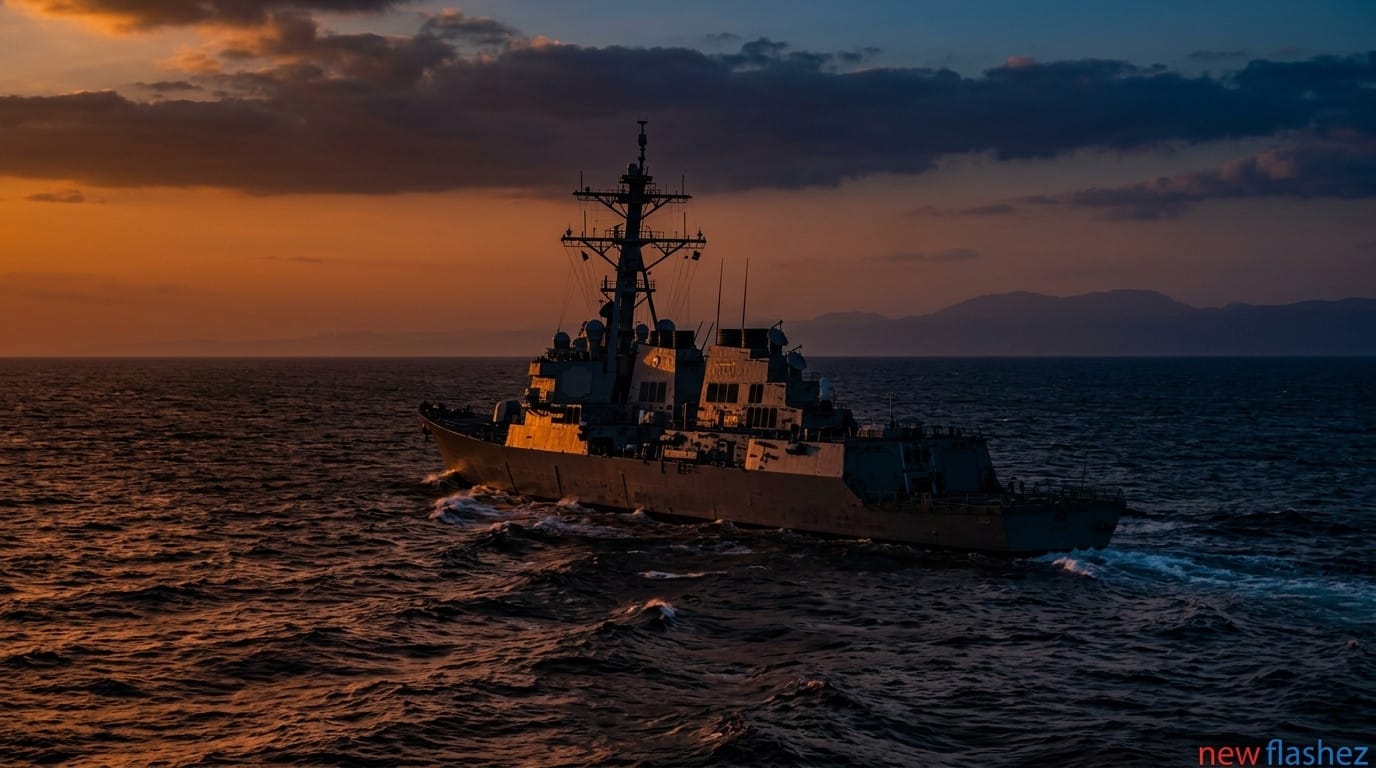
As US Iran tensions reach a volatile high, fresh rhetoric from Washington regarding potential military operations against Iranian targets has sent shockwaves through Middle Eastern diplomatic corridors. The recent surge in strategic posturing threatens to disrupt delicate back-channel communications aimed at preventing a broader regional confrontation.
According to reports published by The Guardian, senior American defense officials have reignited discussions concerning targeted air and naval strikes against critical Iranian military infrastructure and allied proxy positions. The publication noted that the Pentagon maintains a heightened state of readiness across regional bases, with commanders evaluating tactical options should regional deterrence fail. Tehran has responded with severe warnings, promising a decisive retaliation against any military action targeting its sovereign territory or strategic maritime assets.
Simultaneously, coverage by The Washington Post highlighted deep concern and surprise within Omani diplomatic circles regarding Washington’s escalating stance. Oman has historically served as a vital neutral conduit and discreet intermediary between Washington and Tehran, facilitating prisoner exchanges, bilateral nuclear discussions, and maritime security agreements in the Strait of Hormuz. Omani officials reportedly view the sudden rhetorical escalation as counterproductive to ongoing quiet diplomacy intended to de-escalate regional flashpoints.
For months, Omani mediators have worked tirelessly behind the scenes to maintain functional lines of communication between Western powers and Iranian leadership. Sultanate officials have repeatedly leveraged their unique geopolitical position to defuse maritime standoffs in the Persian Gulf and lower the temperature during critical political impasses.
However, the renewed wave of US Iran tensions threatens to dismantle months of careful diplomatic maneuvering. The Washington Post reported that Omani diplomats were caught off guard by the sharp turn in U.S. signaling, especially given Muscat’s active efforts to broker regional calm and secure safe navigation through vital shipping lanes. Defense analysts note that undermining Oman’s mediating position leaves few alternative diplomatic avenues open if rhetoric turns into direct military engagement.
Omani Mediators Express Concern Over US Iran Tensions
In Tehran, political and military leaders have seized upon Washington’s statements to justify their own aggressive defensive posture. Iranian state channels warned that any direct strike on Iranian targets would trigger an immediate response against foreign military installations across the Middle East. Regional allies and neighboring Gulf states have expressed growing anxiety that escalating US Iran tensions could ignite an uncontainable multi-front conflict, endangering energy infrastructure and international trade routes.
Defense analysts emphasize that the Strait of Hormuz, through which a significant portion of the world’s petroleum passes daily, remains the most vulnerable choke point in this geopolitical crisis. Any military miscalculation could instantly derail global markets and spark broader economic turmoil across international supply networks.

Regional Impact of US Iran Tensions on Persian Gulf Trade
Inside the U.S. Capitol, the shifting foreign policy signals have sparked intense debate among lawmakers. Members of Congress remain divided over the administration’s strategic objectives, with some urging decisive military deterrence while others warn against embarking on another costly military entanglement in the Middle East.
Additionally, regional defense analysts emphasize that sustained military posturing complicates diplomatic efforts aimed at securing long-term regional stability. As Middle Eastern powers attempt to balance national security priorities with critical economic development goals, international observers continue to push for immediate de-escalation across all maritime domains.
The ongoing volatility highlights the fragile balance governing Middle East security architecture. As US Iran tensions continue to dominate international headlines, the role of diplomatic bridge-builders like Oman becomes both more urgent and increasingly perilous. Without a sustained commitment to back-channel dialogue, the risk of accidental escalation remains dangerously high. Resolving the underlying friction driving US Iran tensions will ultimately depend on whether Washington and Tehran choose to leverage diplomatic channels or allow military posturing to dictate the future of the region.
Stay updated on Middle East foreign policy and geopolitical security developments in our politics section.
