

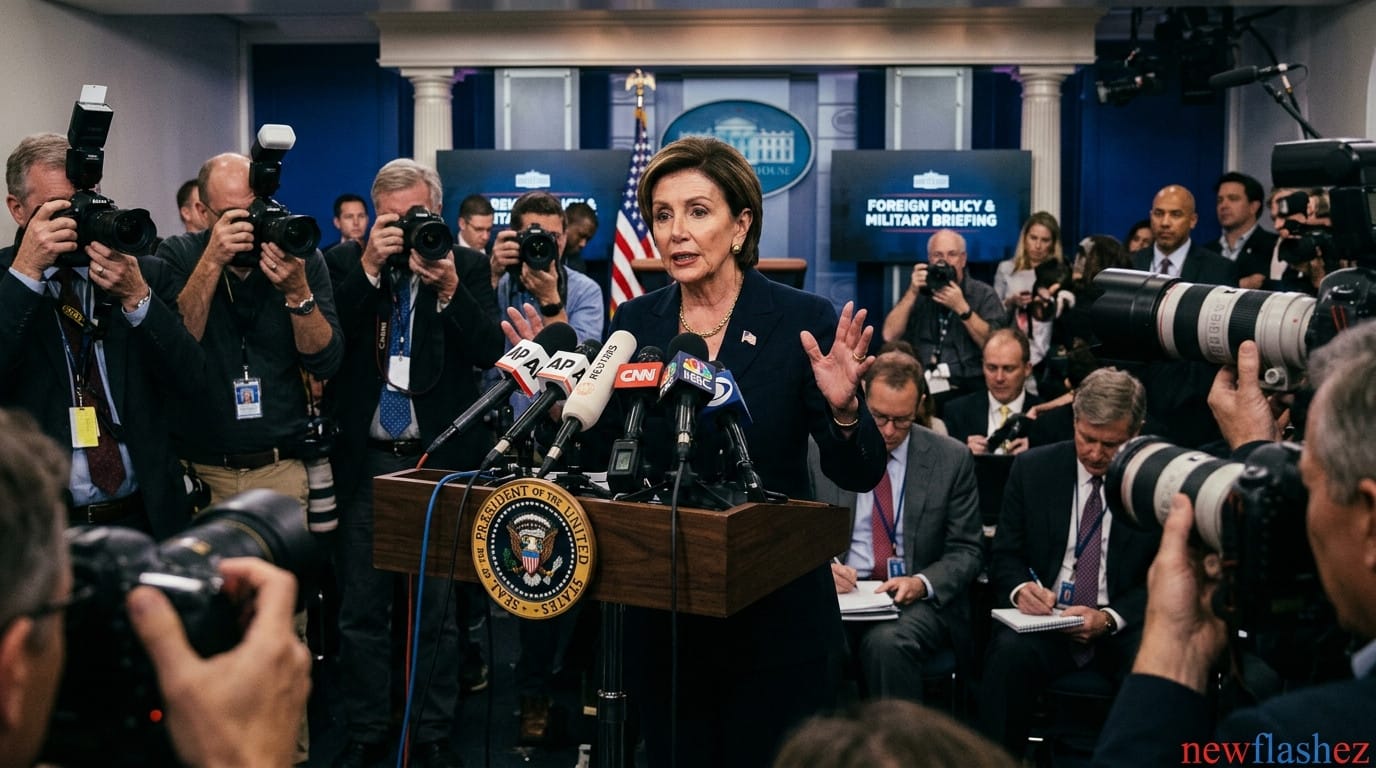
WASHINGTON — As military operations escalate across the Middle East, President Donald Trump has downplayed the expanding Trump Iran Conflict, calling the military engagement a “little war” and dismissing concerns that American firepower is being dangerously overstretched.
Speaking in response to renewed hostilities in the region, the president rejected warnings from defense experts who caution that prolonged fighting is draining critical U.S. munitions stockpiles. According to a report originally broadcast on the Bloomberg Daybreak podcast by Bloomberg reporters Skylar Woodhouse, Omar Tamo, and Abir Abu Omar, Trump expressed full confidence in the military’s arsenal despite mounting operational demands across multiple theaters.
The administration’s public confidence comes at a pivotal juncture in national security strategy. While White House officials characterize the military action as a contained operation, defense analysts note that heavy usage of advanced interceptor missiles in the Middle East has altered global troop and equipment posture.
White House Downplays Firepower Concerns in Trump Iran Conflict
Defense officials and foreign policy experts have voiced increasing alarm over missile stockpile shortages as clashes between American forces and Iranian-backed groups persist. The strategic demands of the Trump Iran Conflict have required significant deployments of air defense assets, particularly Patriot missile interceptor systems, to protect American military installations and commercial shipping lanes in the Gulf region.
Military planners highlight that shifting high-demand air defense batteries to the Middle East leaves other key strategic regions, including European command sectors, with reduced interceptor inventories. However, President Trump brushed off these strategic concerns during recent remarks, framing the skirmishes as manageable operational friction rather than a major military quagmire.
Despite the administration’s reassuring rhetoric, the operational tempo of the Trump Iran Conflict continues to push frontline military units to maintain high readiness levels. Pentagon contractors face mounting pressure to accelerate production lines for critical munitions, though supply chain bottlenecks mean replenishing high-tech interceptor inventories could take months or even years.
Meanwhile, diplomatic channels remain severely strained. Regional leaders have expressed growing concern over potential escalation. Iranian officials have called on neighboring nations to push back against U.S. military presence, creating a volatile regional landscape where tactical miscalculations could trigger wider hostilities.

Economic Pressures Build Amid the Trump Iran Conflict
The military escalation is also sending ripples through global financial markets, complicating Washington’s domestic economic priorities. Market analysts interviewed by Bloomberg report that the Trump Iran Conflict has contributed to heightened market volatility, driving up global energy prices and pushing U.S. borrowing costs higher.
Rising government bond yields reflect broader investor anxieties about sustained defense spending and long-term inflationary pressures. Financial experts caution that if borrowing costs remain elevated, consumer confidence and economic growth could face noticeable headwinds in the coming quarters.
Legislators on Capitol Hill remain divided over the administration’s handling of the crisis. Congressional leaders from both political parties have requested comprehensive briefings regarding weapon inventory levels and the long-term financial costs associated with maintaining a robust force presence in the Middle East.
Some lawmakers have urged the White House to outline a clearer diplomatic strategy to end hostilities, warning that prolonged military engagement risks entangling the country in another open-ended conflict. Others argue that maintaining overwhelming military pressure is necessary to deter further regional instability and protect vital maritime trade corridors.
Conclusion: Assessing the Path Ahead for the Trump Iran Conflict
In conclusion, while the White House maintains a resolute stance on military readiness, the ongoing Trump Iran Conflict presents complex strategic, economic, and geopolitical challenges. President Trump’s dismissal of the engagement as a minor conflict contrasts with warnings from military logisticians and financial analysts who see compounding risks on the horizon.
As clashes resume and strategic missile stockpiles remain under scrutiny, the administration faces the delicate task of balancing Middle Eastern security commitments with global defense priorities and domestic economic stability. The coming weeks will test whether Washington can contain the conflict or if the operational and financial strains will demand a shift in American foreign policy strategy.
For more political updates, explore our Politics Section.
